Your Nasal tumors in dogs images are ready. Nasal tumors in dogs are a topic that is being searched for and liked by netizens now. You can Find and Download the Nasal tumors in dogs files here. Download all free photos.
If you’re looking for nasal tumors in dogs pictures information related to the nasal tumors in dogs keyword, you have come to the right site. Our website frequently gives you suggestions for downloading the maximum quality video and picture content, please kindly hunt and locate more enlightening video content and images that match your interests.
Nasal Tumors In Dogs. For dogs nasal tumors make up about 12 of all cancers and about 80 of the nasal tumors are malignant. Nasal tumors are seen less commonly in cats and are more frequently seen in older animals. The median age at diagnosis was 10 years. Dogs with nasal tumours can occasionally have major discharge through secondary bacterial infection or epistaxis but this tends to be less profuse and rarely exhibits overt facial pain and usually any discharge would be unilateral at least initially.
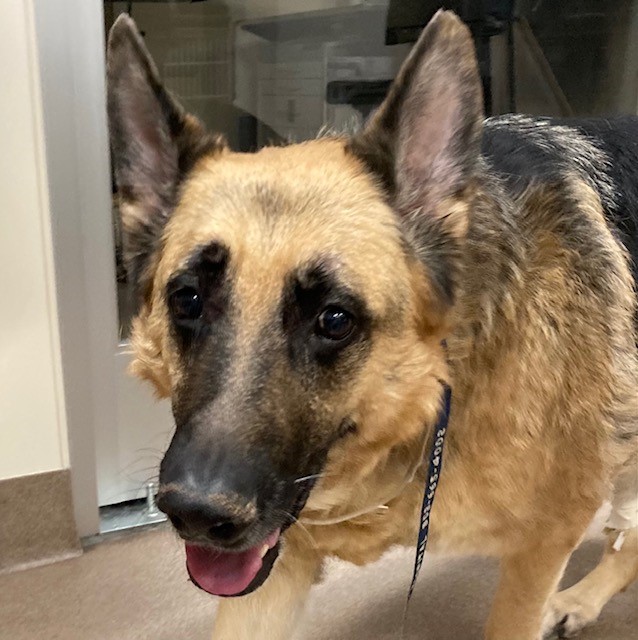 New Clinical Trial For Dogs With Nasal Tumors May Help People Too Flint Animal Cancer Center From csuanimalcancercenter.org
Common types of nasal tumors in dogs are carcinomas followed by sarcomas. A persistently running or dripping nose. Wearing out quickly or lack of tolerance for exercise. However the one risk factor that pet owners should be aware of is long noses. Nasal tumors in dogs What happens if I do nothing 139 dogs with untreated nasal carcinomas Median ST 95 days range 7-1114 days Addition of NSAIDs did not prolong survival Dogs with epistaxis had shorter ST MST 88 days versus 224 days if no epistaxis Rassnick KM JAVMA Aug 1 2006. However dog nasal tumors are usually malignant or cancerous.
A nasal tumor that is lodged lower in the nasal passageways may partially constrict the air supply that your dog can take in as he breathes.
There is also a correlation between nasal tumors and. Nasal tumors are seen less commonly in cats and are more frequently seen in older animals. Surgery for dogs with nasal cancer was routinely performed until data showed that rhinotomy opening the nasal passages and scooping tumor out was a negative factor for survival time. As daunting as a nasal cancer diagnosis sounds nasal cavity tumors are quite common in dogs. Cancer of the nose is less common in people especially in comparison to dogs. Tumors or cancers are normal cells undergoing uncontrolled cell replication.
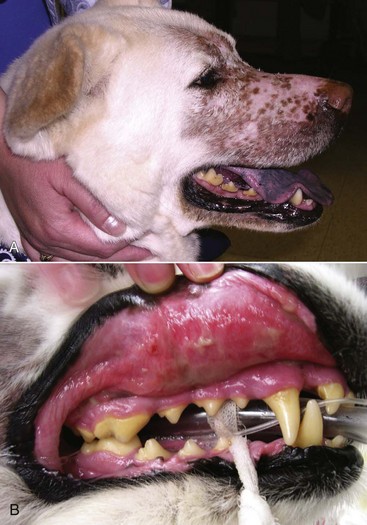 Source: veteriankey.com
The most common tumor originating in the nasal cavity in dogs is adenocarcinoma while lymphoma is the most common nasal tumor in cats. Symptoms of Nasal Polyps in Dogs Depending on the location of the tumor symptoms may vary. Nasal Tumors in Dogs. Nasal adenocarcinomas originate from the glandular cells eg sebaceous glands in the nasal cavity. However dog nasal tumors are usually malignant or cancerous.
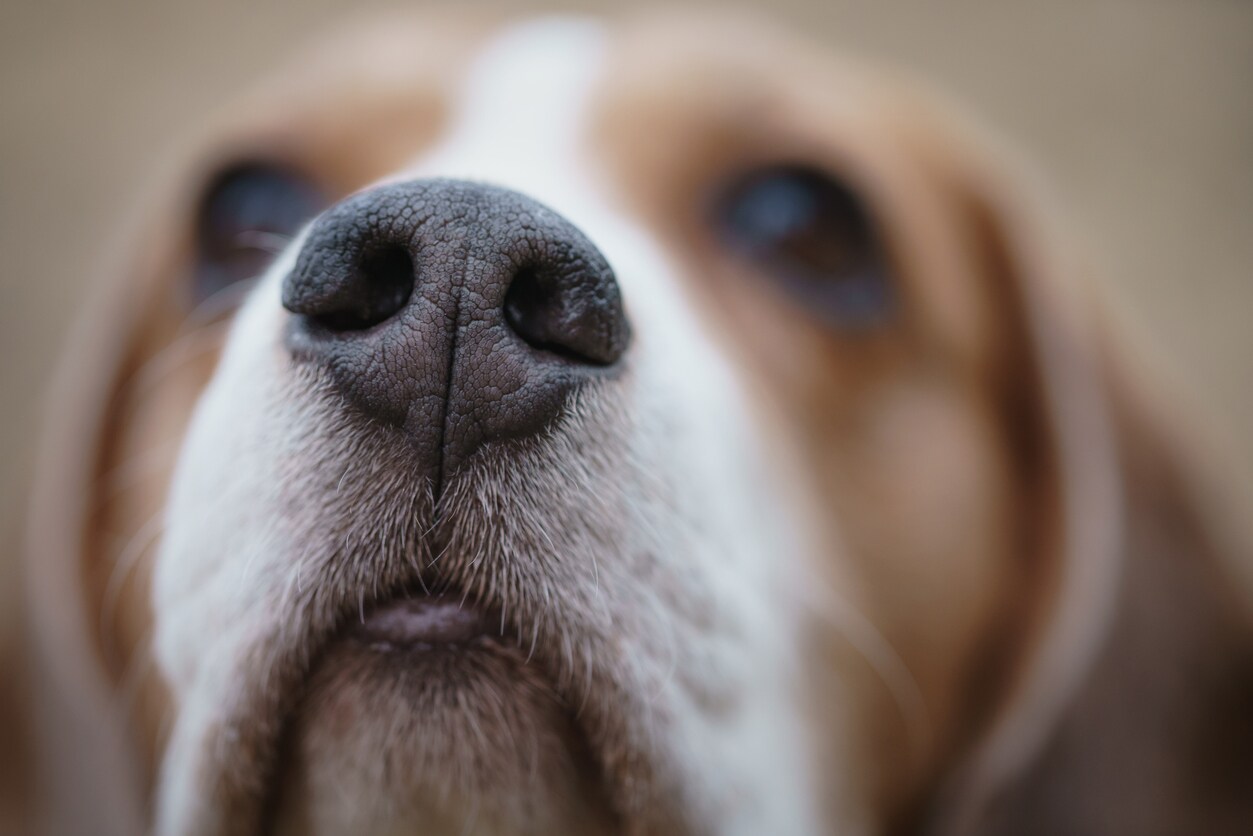 Source: petmd.com
Nasal Tumors in Dogs. As daunting as a nasal cancer diagnosis sounds nasal cavity tumors are quite common in dogs. Nasal adenocarcinomas originate from the glandular cells eg sebaceous glands in the nasal cavity. A tendency to sneezing potentially sneezing droplets of blood. Animals usually present to their veterinarian for difficulty breathing through the nose noisy breathing mucoidbloody nasal discharge sneezing or facial swelling.
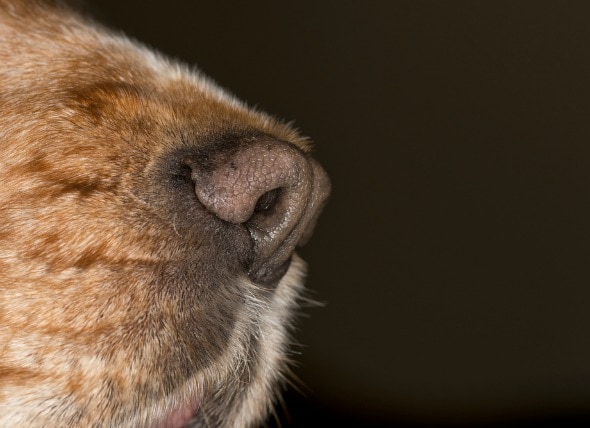 Source: petmd.com
Some of the symptoms of nasal tumours in dogs you might observe at home include. Both carcinomas and sarcomas are locally invasive. All of these tumors arise within the inside of the nose or the sinuses. Wearing out quickly or lack of tolerance for exercise. Nasal adenocarcinomas originate from the glandular cells eg sebaceous glands in the nasal cavity.
 Source: researchgate.net
Nasal tumors in dogs What happens if I do nothing 139 dogs with untreated nasal carcinomas Median ST 95 days range 7-1114 days Addition of NSAIDs did not prolong survival Dogs with epistaxis had shorter ST MST 88 days versus 224 days if no epistaxis Rassnick KM JAVMA Aug 1 2006. The average age of dogs with this disease is about 10 years and medium to large breeds may be at higher risk. Nasal tumors make up approximately 1 of all cancers seen in dogs. Nasal tumors are seen less commonly in cats and are more frequently seen in older animals. Swelling of the nose.
 Source: dvm360.com
Nasal tumors are found in the nasal cavity and the paranasal sinuses and affect dogs. 401-6 Chemotherapy for nasal cancer Not widely studied due to likely poor perfusion of. Cancers that affect the dogs nasal cavity inside of the nose and cancer that visibly grow on top of the nose the part that is typically wet technically known as nasal planum or nasal plate. For dogs nasal tumors make up about 12 of all cancers and about 80 of the nasal tumors are malignant. The most common tumor originating in the nasal cavity in dogs is adenocarcinoma while lymphoma is the most common nasal tumor in cats.
 Source: figshare.com
Cancer of the nose is less common in people especially in comparison to dogs. A tendency to sneezing potentially sneezing droplets of blood. Benign nasal tumors include adenoma basal cell tumor fibroma and neurofibroma. The median age at diagnosis was 10 years. Surgery for dogs with nasal cancer was routinely performed until data showed that rhinotomy opening the nasal passages and scooping tumor out was a negative factor for survival time.
 Source: canna-pet.com
Causes of Dog Nasal Tumors. The average age of dogs with this disease is about 10 years and medium to large breeds may be at higher risk. As daunting as a nasal cancer diagnosis sounds nasal cavity tumors are quite common in dogs. Dogs with nasal tumours can occasionally have major discharge through secondary bacterial infection or epistaxis but this tends to be less profuse and rarely exhibits overt facial pain and usually any discharge would be unilateral at least initially. Metastatic sites include lymph nodes and lungs bone reported in 2 dogs.
 Source: todaysveterinarypractice.com
The commonest form of nasal tumor in dogs is adenocarcinoma. The median age at diagnosis was 10 years. Cancers that affect the dogs nasal cavity inside of the nose and cancer that visibly grow on top of the nose the part that is typically wet technically known as nasal planum or nasal plate. Nasal tumors in dogs What happens if I do nothing 139 dogs with untreated nasal carcinomas Median ST 95 days range 7-1114 days Addition of NSAIDs did not prolong survival Dogs with epistaxis had shorter ST MST 88 days versus 224 days if no epistaxis Rassnick KM JAVMA Aug 1 2006. Nasal tumors in pets are not an uncommon diagnosis.
 Source: firstvet.com
While we dont know for sure why this occurs we suspect that it is due to carcinogens that are. However dog nasal tumors are usually malignant or cancerous. The commonest form of nasal tumor in dogs is adenocarcinoma. Other less common nasal tumors diagnosed in both dogs and cats include transmissible venereal tumor fibrosarcoma mast cell tumor fibrous histiocytoma hemangiosarcoma and melanoma. Symptoms of Nasal Polyps in Dogs Depending on the location of the tumor symptoms may vary.
Source: csuanimalcancercenter.org
The most common tumor originating in the nasal cavity in dogs is adenocarcinoma while lymphoma is the most common nasal tumor in cats. While we dont know for sure why this occurs we suspect that it is due to carcinogens that are. Nasal Tumors in Dogs. It is thought that long-nosed breed dogs living in urban environments are at higher risk for the development of nasal tumors. As for which dogs are most at risk it seems to be longer nose dogs that are also living in towns and cities so those living in urban areas that are at a higher risk of developing nasal cancer.
 Source: semanticscholar.org
Nasal cavity Discharge with mucus A crusting in the nose Nosebleeds Obstruction of the nasal passage Sneezing Noisy breathing Maxillary sinus Swelling in the cheek or under the eye Frontal sinus Swelling on the forehead Ethmoid sinus. Tumors or cancers are normal cells undergoing uncontrolled cell replication. Surgery for dogs with nasal cancer was routinely performed until data showed that rhinotomy opening the nasal passages and scooping tumor out was a negative factor for survival time. Dogs with nasal tumours can occasionally have major discharge through secondary bacterial infection or epistaxis but this tends to be less profuse and rarely exhibits overt facial pain and usually any discharge would be unilateral at least initially. However dog nasal tumors are usually malignant or cancerous.
 Source: studypages.com
All of these tumors arise within the inside of the nose or the sinuses. Most affected dogs were bloody nasal discharge sneezing and nasal bone deformities. These tumors occur with a higher frequency in dogs particularly in long nose dogs than they do in people. Dogs with nasal tumors occasional suffer from difficulty breathing. They can grow from the epthelial cells of your dogs nasal lining or from the cells of your dogs lymph nodes.
 Source: canna-pet.com
Common types of nasal tumors in dogs are carcinomas followed by sarcomas. Surgery for dogs with nasal cancer was routinely performed until data showed that rhinotomy opening the nasal passages and scooping tumor out was a negative factor for survival time. Nasal Tumors in Dogs. Animals usually present to their veterinarian for difficulty breathing through the nose noisy breathing mucoidbloody nasal discharge sneezing or facial swelling. However the one risk factor that pet owners should be aware of is long noses.
 Source: theveterinarynurse.com
This may lead to a wheezing sound while he breathes or to a rough cough that occurs periodically. These tumors occur with a higher frequency in dogs particularly in long nose dogs than they do in people. In dogs there may be two types of nose cancer. While we dont know for sure why this occurs we suspect that it is due to carcinogens that are. Nasal adenocarcinomas originate from the glandular cells eg sebaceous glands in the nasal cavity.
 Source: vetrainorg.com
Nasal tumors make up approximately 1 of all cancers seen in dogs. The commonest form of nasal tumor in dogs is adenocarcinoma. The most frequently occurring nasal tumor in dogs is squamous cell carcinoma although fibrosarcoma and many others can also occur. A nasal tumor that is lodged lower in the nasal passageways may partially constrict the air supply that your dog can take in as he breathes. The most common tumor originating in the nasal cavity in dogs is adenocarcinoma while lymphoma is the most common nasal tumor in cats.
 Source: petcureoncology.com
The median age at diagnosis was 10 years. Cancer of the nose is less common in people especially in comparison to dogs. As for which dogs are most at risk it seems to be longer nose dogs that are also living in towns and cities so those living in urban areas that are at a higher risk of developing nasal cancer. In dogs the most common nasal tumor is nasal adenocarcinoma. Retrospective evaluation of diagnosis prognosis and treatment Abstract The records of 43 dogs with nasal tumors 1969- 1974 were evaluated in retrospect.
 Source: flickr.com
What is a nasal tumor. Animals usually present to their veterinarian for difficulty breathing through the nose noisy breathing mucoidbloody nasal discharge sneezing or facial swelling. A nasal tumor that is lodged lower in the nasal passageways may partially constrict the air supply that your dog can take in as he breathes. Swelling of the nose. Cancers that affect the dogs nasal cavity inside of the nose and cancer that visibly grow on top of the nose the part that is typically wet technically known as nasal planum or nasal plate.
 Source: veteriankey.com
Animals usually present to their veterinarian for difficulty breathing through the nose noisy breathing mucoidbloody nasal discharge sneezing or facial swelling. Dogs with nasal tumours can occasionally have major discharge through secondary bacterial infection or epistaxis but this tends to be less profuse and rarely exhibits overt facial pain and usually any discharge would be unilateral at least initially. The most common tumor originating in the nasal cavity in dogs is adenocarcinoma while lymphoma is the most common nasal tumor in cats. There arent many risk factors when it comes to sinus cancer in canines either. Dogs with facial distortion almost invariably have cancer although other causes are possible.
This site is an open community for users to do submittion their favorite wallpapers on the internet, all images or pictures in this website are for personal wallpaper use only, it is stricly prohibited to use this wallpaper for commercial purposes, if you are the author and find this image is shared without your permission, please kindly raise a DMCA report to Us.
If you find this site convienient, please support us by sharing this posts to your own social media accounts like Facebook, Instagram and so on or you can also bookmark this blog page with the title nasal tumors in dogs by using Ctrl + D for devices a laptop with a Windows operating system or Command + D for laptops with an Apple operating system. If you use a smartphone, you can also use the drawer menu of the browser you are using. Whether it’s a Windows, Mac, iOS or Android operating system, you will still be able to bookmark this website.


